
Texture And Pattern In Art
Texture And Pattern In Art - Web texture plays a crucial role in painting, bringing depth and visual interest to your creations. Everything from tiny pointed brushes to flat, wide brushes. Painters have many ways to create different textures. From traditional patterns used in textiles and pottery, to abstract shapes used in contemporary works, pattern has long been an integral part of the artist’s toolbox. Web texture is one of the basic elements of art —an essential building block to create visually interesting and realistic compositions. Texture is an element of art that relates to the “surface quality” of an artwork. It refers to the physical appearance or feel of an object, and can be seen through bumps, ridges, grooves and other physical details. Texture can add depth, dimension, and emotion to your art, depending on how you use it. Web physical textures (also known as actual texture or tactile texture) are the patterns of dimensional variations in a physical surface. Web design in art: Web you can use the element of texture in your art to give it a sense of touch, whether you’re making a watercolor still life painting or a sculpture of the human form in bronze. Physical texture may also be perceived visually without physical contact. Everything from tiny pointed brushes to flat, wide brushes. Web texture in art is described as the way artists use their chosen medium to create a physical or tactile surface texture in their art. Texture is an element of art that relates to the “surface quality” of an artwork. Texture in visual arts can either be implied/illusional or tactile, created by the physical medium itself like paint and the brushstrokes on a canvas. Web texture is the look and feel of a surface. Light space & time online art gallery announces an art call for the gallery’s 8th annual “patterns, textures & forms” online juried art competition for possible inclusion in the gallery’s september 2024 online group art exhibition. It transforms a flat canvas into a dynamic visual experience, captivating the viewer's eye and inviting them to explore the intricate details of your artwork. It refers to the physical appearance or feel of an object, and can be seen through bumps, ridges, grooves and other physical details. They add visual weight and emphasis to a subject. 2017, the texture adventure series collector’s edition. Web design in art: From traditional patterns used in textiles and pottery, to abstract shapes used in contemporary works, pattern has long been an integral part of the artist’s toolbox. Web patterns in texture. Texture is considered a tactile and visual art element that is frequently utilized to give a feeling of dimension and depth to a piece of art. Grass and leaves are a close second while things like rocks and wood are not far behind. Web when exploring texture in art, drawing patterns can be an effective way to create visual interest. From traditional patterns used in textiles and pottery, to abstract shapes used in contemporary works, pattern has long been an integral part of the artist’s toolbox. Web texture in art and composition is the visual and tactile surface characteristics that are added to a work of art. Tons of ideas and projects for textured art are available now in one. Web texture is one of seven elements of art. Web design in art: Web what is texture in art? Of all the textures in all the world, the question i get most is about drawing hair. Both 2d & 3d artists (including photography & digital art), regardless of where. It transforms a flat canvas into a dynamic visual experience, captivating the viewer's eye and inviting them to explore the intricate details of your artwork. Texture in visual arts can either be implied/illusional or tactile, created by the physical medium itself like paint and the brushstrokes on a canvas. Web texture is the look and feel of a surface. At. Web texture in artwork refers to an artwork’s tangible surface characteristics, such as its roughness, smoothness, or density. Web texture is one of seven elements of art. Everything from tiny pointed brushes to flat, wide brushes. You must register to use it. Physical texture can be felt by touching the surface of the object or material. Start by selecting a subject, such as a natural element, an abstract shape, or even a design inspired by architecture. You know it when you feel it on a physical surface, but do you know how to describe the textures of an artwork, architecture or even a song? From traditional patterns used in textiles and pottery, to abstract shapes used. This might refer to the roughness or smoothness of actual objects and art media, or to the illusion of these properties. Sometimes, less is more, and. Texture can add depth, dimension, and emotion to your art, depending on how you use it. This could mean either creating a three dimensional aspect to the painting or drawing surface with their paint. Web texture is the feeling of a surface, real or represented. It transforms a flat canvas into a dynamic visual experience, captivating the viewer's eye and inviting them to explore the intricate details of your artwork. Texture is considered a tactile and visual art element that is frequently utilized to give a feeling of dimension and depth to a piece. Start by selecting a subject, such as a natural element, an abstract shape, or even a design inspired by architecture. Web texture is one of the seven elements of art that can make your artwork more engaging and realistic. Web from actual texture to visual texture in a variety of media, check out this list of the best texture in. Web texture in artwork refers to an artwork’s tangible surface characteristics, such as its roughness, smoothness, or density. This could mean either creating a three dimensional aspect to the painting or drawing surface with their paint medium, or creating the appearance of texture. Web texture is one of seven elements of art. Web texture in art is described as the way artists use their chosen medium to create a physical or tactile surface texture in their art. They both perform similar functions in art. Sometimes, less is more, and. Web texture plays a crucial role in painting, bringing depth and visual interest to your creations. Of all the textures in all the world, the question i get most is about drawing hair. Web you can achieve visual and physical texture in a few quick steps, and incorporate the techniques in every type of project, including stitch, collage, and art journaling. Texture in visual arts can either be implied/illusional or tactile, created by the physical medium itself like paint and the brushstrokes on a canvas. Texture is considered a tactile and visual art element that is frequently utilized to give a feeling of dimension and depth to a piece of art. Brushstrokes can also create patterns on the canvas and become part of the composition. Physical texture can be felt by touching the surface of the object or material. Texture is an element of art that relates to the “surface quality” of an artwork. Texture can add depth, dimension, and emotion to your art, depending on how you use it. From traditional patterns used in textiles and pottery, to abstract shapes used in contemporary works, pattern has long been an integral part of the artist’s toolbox.
"circles pattern collage abstract art texture" Digital Art art prints
Abstract floral seamless pattern with trendy hand drawn textures

Free Images vintage, retro, texture, decoration, pattern, color
Free picture design, abstract, art, pattern, illustration, texture

What Is Texture In The 7 Elements Of Art Design Talk

Wallpaper colorful, painting, digital art, abstract, symmetry, blue

HaNguyen 36 custom textures Texture drawing, Drawing examples

Free Images creative, abstract, texture, flower, petal, decoration
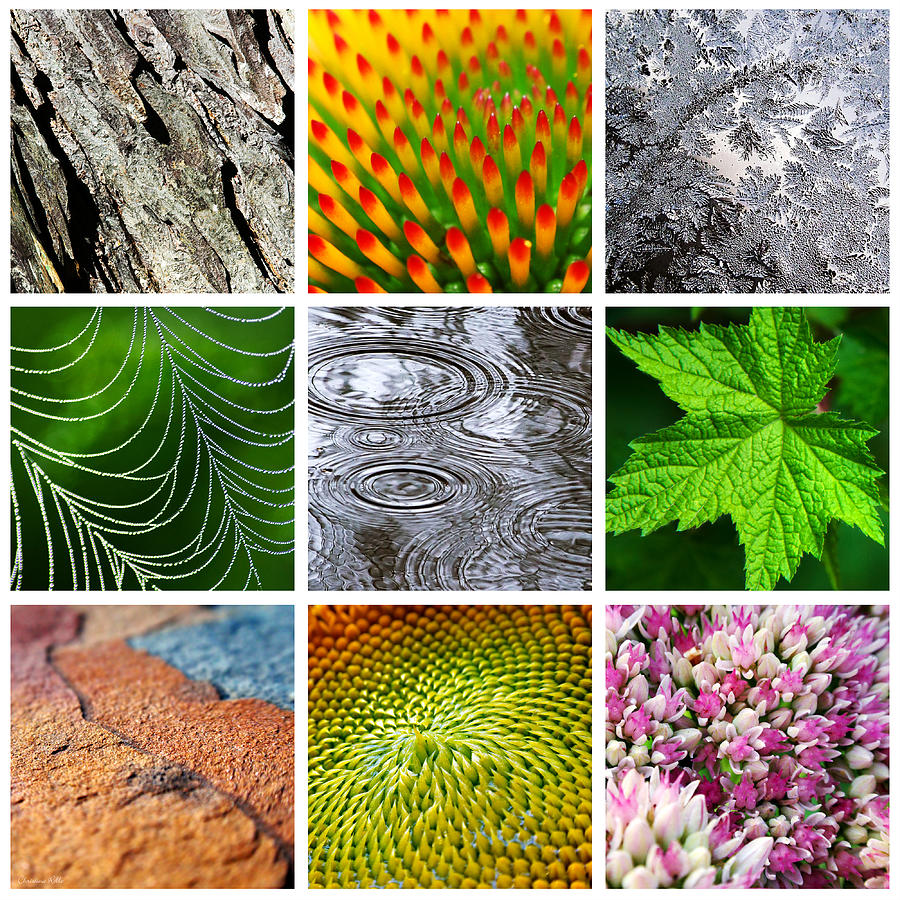
Nature Patterns And Textures Square Collage Digital Art by Christina Rollo
Wallpaper colorful, painting, digital art, abstract, 3D, artwork
Web Physical Textures (Also Known As Actual Texture Or Tactile Texture) Are The Patterns Of Dimensional Variations In A Physical Surface.
Web Design In Art:
Web In The Visual Arts, Texture Refers To The Perceived Surface Quality Of A Work Of Art.
Painters Have Many Ways To Create Different Textures.
Related Post: