
Stack Bond Pattern
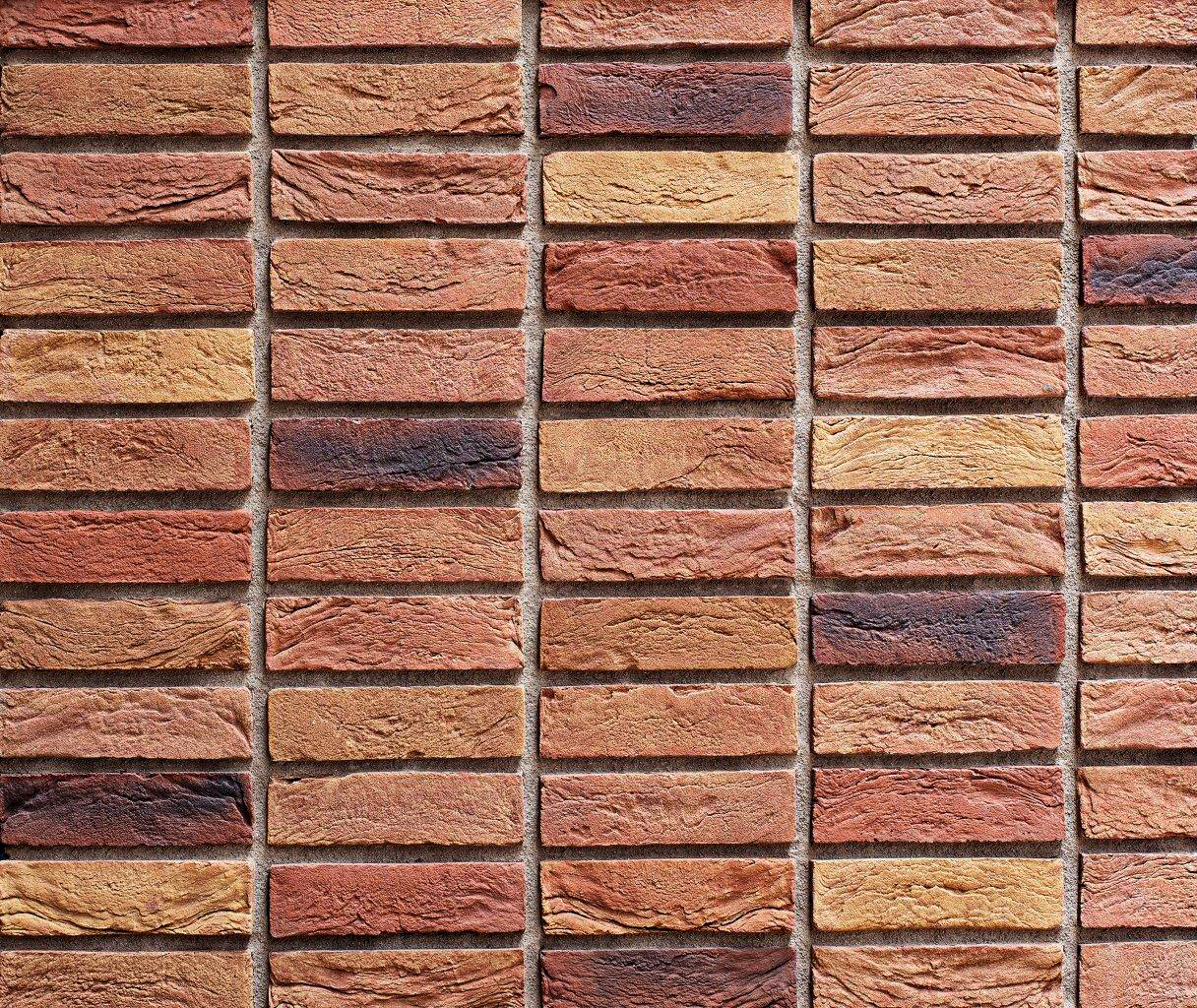
Stack Bond Pattern - In this tile pattern, each tile is placed at half their width, so that the middle of one tile is aligned over the ends of the two tiles beneath it. Joints are not staggered between courses. However, it is not a structural bond, and is usually used in interior settings (like feature walls or. See the illustrations below to see. Web horizontal stacked bond the stacked bond pattern is one of the easiest subway tile treatments to install. Learn more about its own set of advantages and disadvantages. The joints are filled with mortar and are 10 mm (0.4 inches) in width. All stretcher bricks are laid in a grid of identical courses. It’s simple and straightforward even if it isn’t fancy. Web a seamless brick texture with creased brick arranged in a stack pattern. See the illustrations below to see. Web stack bond is just a fancy way of saying tiles that are laid straight on top of one another in columns as opposed to offset in a traditional pattern. Web straight set, a.k.a stack bond. Web bricks can be stacked in a variety of ways, but typically there are only two common options when it comes to installing bricks: Opt for the simplest of all tile patterns, consisting of horizontally oriented tiles stacked directly on top of each other so that. The first pattern we’re going to cover is stack bond. Web the stacked pattern, also known as the stack bond pattern, is a straightforward and modern paving design where pavers are aligned in a grid with their edges perfectly lined up both horizontally and vertically. The running bond and the stack bond. Web a stack bond construction is a pattern in which bricks or tiles are stacked on top of each other with continuous horizontal edge joints and vertical head joints. The image represents a physical area of 1350 x 1050 mm (53.1 x 41.3 inches) in total, with each individual unit measuring approximately 215 x 65 mm. Web horizontal stacked bond the stacked bond pattern is one of the easiest subway tile treatments to install. Opt for the simplest of all tile patterns, consisting of horizontally oriented tiles stacked directly on top of each other so that. A herring bone pattern is commonly used inside fireplaces and in pathway pavers. This is a clean and classic layout. The running bond is the most common type of brick pattern, one seen in walls and buildings all over the globe. Learn more about its own set of advantages and disadvantages. Web a stack bond pattern is where all the masonry units are laid with all vertical joints aligned create a grid pattern in appearance. The herringbone bond resembles a. Web bricks can be stacked in a variety of ways, but typically there are only two common options when it comes to installing bricks: Also known as a running bond, this common brickwork pattern has each tile start at the center of the tile below it. Web stack bond is just a fancy way of saying tiles that are laid. See the illustrations below to see. Prefer to play it straight? Web horizontal stacked bond the stacked bond pattern is one of the easiest subway tile treatments to install. Web staggered bond (sometimes called stretcher bond, offset or 1/3 bond) is very similar, except the tiles overlap the tile above by at least one quarter instead of half, creating a. Web block or stack bond. A herring bone pattern is commonly used inside fireplaces and in pathway pavers. You can lay this type of pattern with virtually any size of paving stone, as long as you only use one size. The joints are filled with mortar and are 10 mm (0.4 inches) in width. All stretcher bricks are laid in. The first pattern we’re going to cover is stack bond. The image represents a physical area of 1350 x 1050 mm (53.1 x 41.3 inches) in total, with each individual unit measuring approximately 215 x 65 mm. The joints are filled with mortar and are 10 mm (0.4 inches) in width. Block or stack bond is purely a pattern bond.. There is no overlapping of units since all vertical joints are aligned. Web in technical terms, stack bond is “any wall where the overlap of a masonry unit over the block below is less than one quarter of the length of the block.” in other words, this looks like a wall that is just stacked together in almost perfect, if. Compressive strength is similar for stack and running bond construction. Opt for the simplest of all tile patterns, consisting of horizontally oriented tiles stacked directly on top of each other so that. Web bricks can be stacked in a variety of ways, but typically there are only two common options when it comes to installing bricks: Web staggered bond (sometimes. It’s simple and straightforward even if it isn’t fancy. Joints are not staggered between courses. This is a clean and classic layout for subway tiles on walls and floors. The joints are filled with mortar and are 10 mm (0.4 inches) in width. Web the stacked bond joint tile pattern, also known as the straight set or grid pattern, is. Web block or stack bond. Web horizontal stacked bond the stacked bond pattern is one of the easiest subway tile treatments to install. Web a stack bond construction is a pattern in which bricks or tiles are stacked on top of each other with continuous horizontal edge joints and vertical head joints. Web the stacked pattern, also known as the. Bonder units are available, they may be used. The running bond and the stack bond. Web staggered bond (sometimes called stretcher bond, offset or 1/3 bond) is very similar, except the tiles overlap the tile above by at least one quarter instead of half, creating a softer, more natural look. Learn more about its own set of advantages and disadvantages. The first pattern we’re going to cover is stack bond. Web a stack bond pattern is where all the masonry units are laid with all vertical joints aligned create a grid pattern in appearance. Also known as a running bond, this common brickwork pattern has each tile start at the center of the tile below it. It’s simple and straightforward even if it isn’t fancy. Web a running bond, also called an offset bond, offers a slight variation on a stacked tile application. Web the stacked pattern, also known as the stack bond pattern, is a straightforward and modern paving design where pavers are aligned in a grid with their edges perfectly lined up both horizontally and vertically. The running bond is the most common type of brick pattern, one seen in walls and buildings all over the globe. Web the stacked bond joint tile pattern, also known as the straight set or grid pattern, is simpler than the last pattern. The image represents a physical area of 1350 x 1050 mm (53.1 x 41.3 inches) in total, with each individual unit measuring approximately 215 x 65 mm. However, it is not a structural bond, and is usually used in interior settings (like feature walls or. There is no overlapping of units since all vertical joints are aligned. Web block or stack bond.
Vertical Stack Bond, curved column, Salisbury Brick architecture

Brick Bonds and transforming your brickwork Brick and Stone
/GettyImages-165675151-574cf9523df78ccee10feffb.jpg)
Common Types of Brick Bonds Used in Masonry
Common Brick Laying Patterns
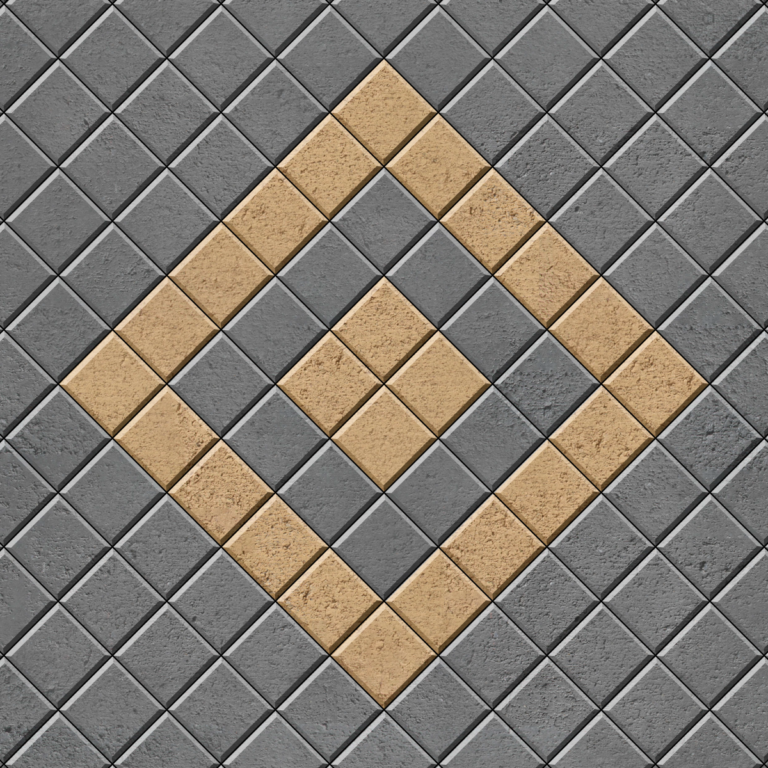
Best Paving Patterns and Pattern Ideas Trust APC For All Paving
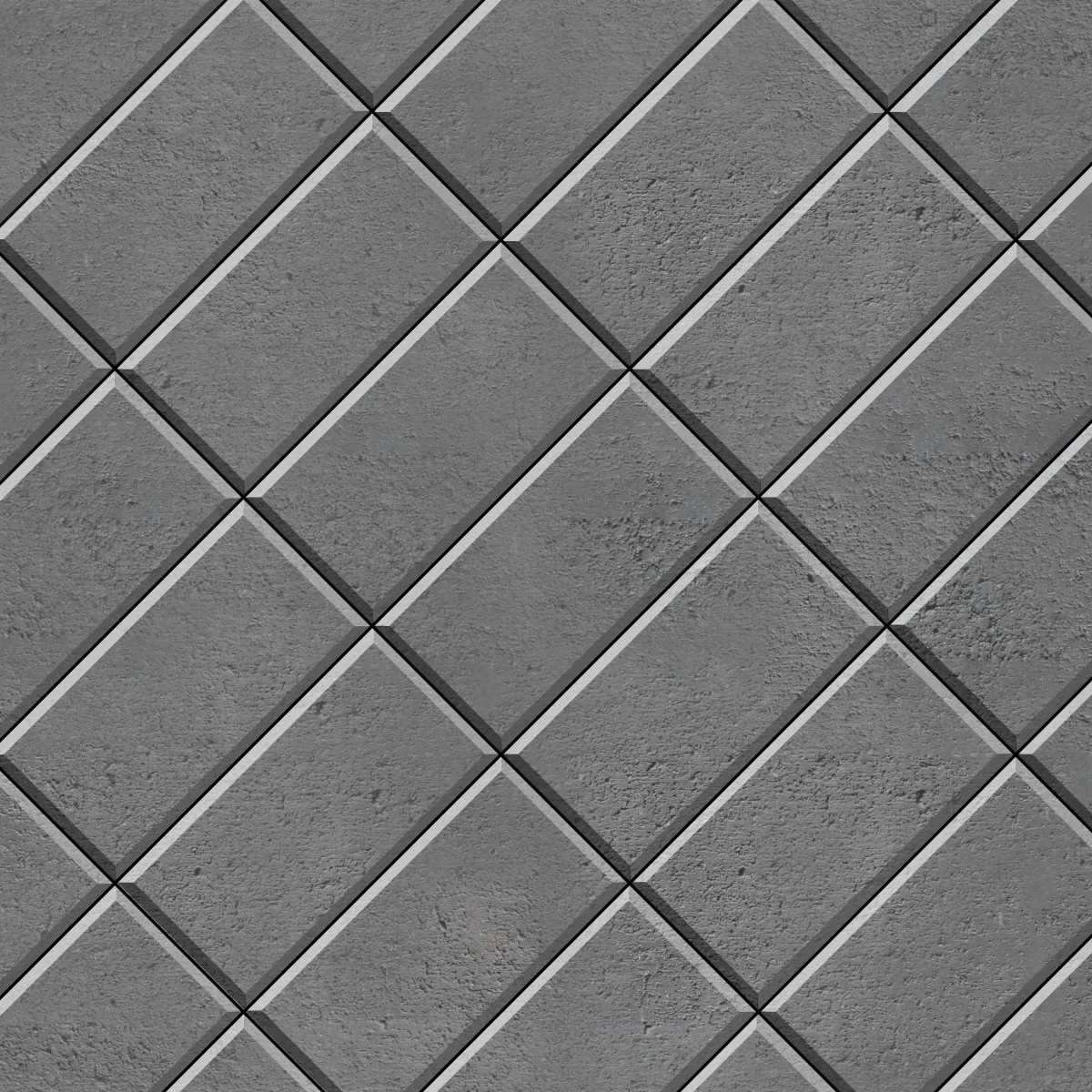
Best Paving Patterns and Pattern Ideas Trust APC For All Paving

New Mexico Modern a blog by Modern Dwellings What is a Stack Bond?
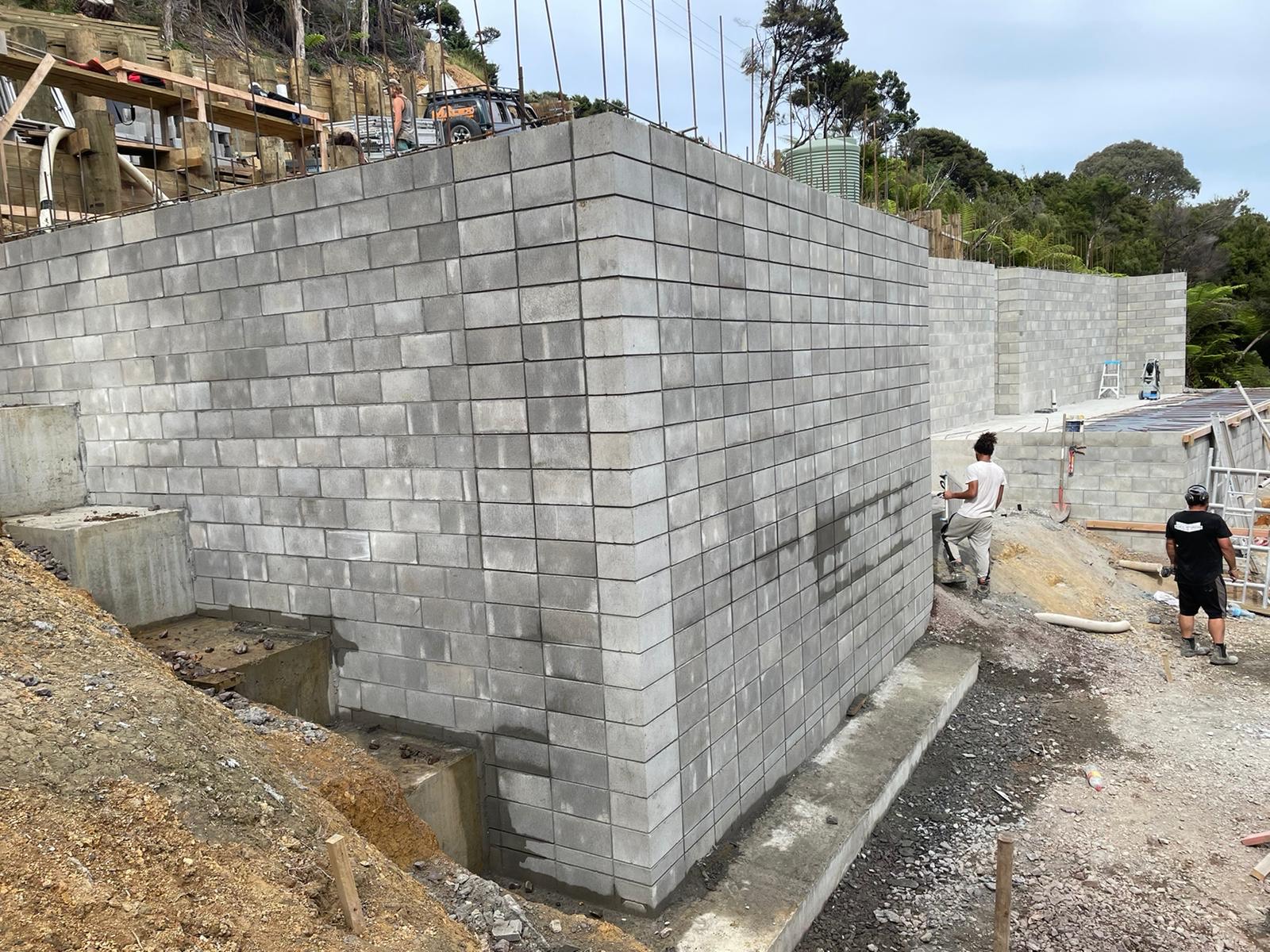
StackBond Concrete Masonry Block and Plaster Auckland

Running Bond vs. Stack Bond — Bowman Construction Consulting, PLLC
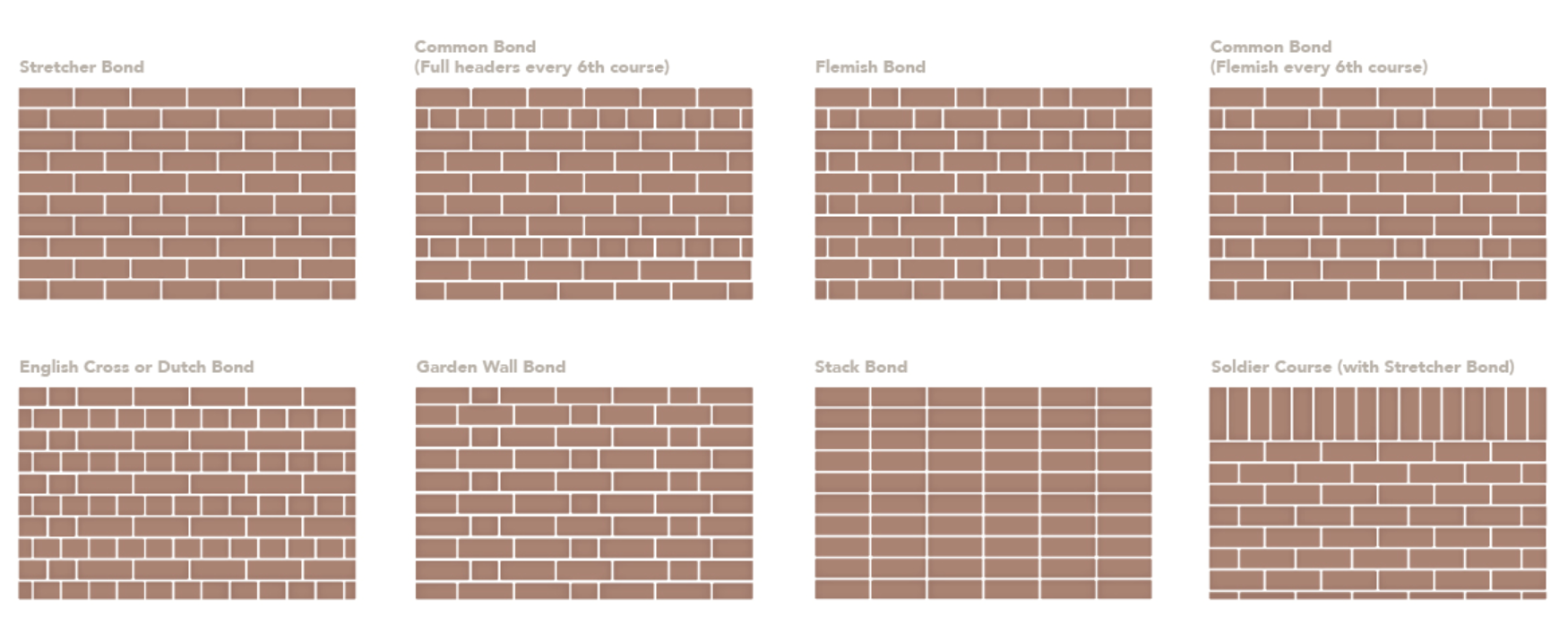
Brick Bond Patterns PGH Bricks
Web Stack Bond And Running Bond Are Two Common Bricklaying Patterns Used In Construction.
A Stack Bond Is The Brick Bond Pattern To Choose If You Are Looking To Really Show Off And Make Your Brick’s Aesthetic Qualities Shine.
The Stack Bond Is Made Up Of Courses Of Stretchers Where Each Stretcher Is Stacked Directly Above A Stretcher And The Joints Align.
Web Bricks Can Be Stacked In A Variety Of Ways, But Typically There Are Only Two Common Options When It Comes To Installing Bricks:
Related Post: