
Kente Cloth Pattern
Kente Cloth Pattern - Ashanti king prempeh ii wearing kente. Nyemfre, nkyinkyim and akuma designs are in aburoo ahaban pattern), and some designs are named as patterns (example: Patterns can exist vertically (in the warp), or horizontally (in the weft), or both. It is thought that kente cloth was inspired by the weaving patterns of a spider as it weaves it’s web. Web kente is more than just a cloth. Mud cloth and african wax prints are also widely available, especially in cities. These are different from adinkra symbols and kente cloth colors which also carry their own symbolism. This unique textile, originating from the ashanti people of ghana, is known for its vibrant colors and complex designs. Each color and pattern on kente cloth represents a specific meaning, reflecting the cultural heritage and spiritual beliefs of the akan people. Web kente cloth is handwoven in looms. Before becoming a master weaver, a person must learn the meanings of all. The patterns are created during the hand weaving process and are determined by the manner in which the threads are intertwined. Web kente is more than just a cloth. The act of weaving weft designs into every available block of color is called adweneasa. Web there are over 350 patterns for kente cloths. These are different from adinkra symbols and kente cloth colors which also carry their own symbolism. Web there are over 350 patterns for kente cloths. Web kente cloth, the traditional or national cloth of ghana, is worn by the akan. The patterns are created during the hand weaving process and are determined by the manner in which the threads are intertwined. Kente cloth is identified by its dazzling array of multicolored patterns and designs of mostly a geometric nature. Some designs are can be found in kente patterns (example: Each design tells a unique story, reflecting the values, beliefs, and history of the people. This pattern is another version of akyem and it translates to shield. Web kente cloth is a traditional african fabric characterized by its colorful pattern and beautiful texture. Web kente is a cloth or fabric. Some designs are can be found in kente patterns (example: Web the intricate patterns and vibrant colors of kente cloth are not only visually stunning but also carry deep symbolism and meaning. Web the design of kente cloth features many geometric patterns, and each pattern has a specific meaning, relating to the history or beliefs of the ashanti people. Nyemfre,. This pattern is another version of akyem and it translates to shield. Each design tells a unique story, reflecting the values, beliefs, and history of the people. Each pattern tells a story that passes wisdom from one generation to the next. A man wearing the kente cloth. Web the design of kente cloth features many geometric patterns, and each pattern. Although kente cloth is now identified with the akan people in west africa, and particularly the asante kingdom, the term originates with the. Web kente cloth is a traditional african fabric characterized by its colorful pattern and beautiful texture. Before becoming a master weaver, a person must learn the meanings of all. This unique textile, originating from the ashanti people. Web kente is a brightly colored, banded material and is the most widely known cloth produced in africa. Kente cloth is identified by its dazzling array of multicolored patterns and designs of mostly a geometric nature. A man wearing the kente cloth. Web originating from the ashanti people of ghana, kente cloth is a symbol of pride, identity, and heritage.. This vibrant and colorful fabric is not only visually stunning but also holds deep symbolic meaning for the people of africa. It is thought that kente cloth was inspired by the weaving patterns of a spider as it weaves it’s web. The unmistakable blends of colored threads woven together into beautiful patterns is the hallmark of kente cloth. This unique. Web kente is more than just a cloth. This unique textile, originating from the ashanti people of ghana, is known for its vibrant colors and complex designs. Nyemfre, nkyinkyim and akuma designs are in aburoo ahaban pattern), and some designs are named as patterns (example: Some designs are can be found in kente patterns (example: Web originating from the ashanti. Web below are the kente cloth weave patterns that you may find on kente cloths. Web kente cloth, the traditional or national cloth of ghana, is worn by the akan. Kente is exported as one of the key symbols of african heritage and pride in african ancestry throughout the diaspora. Web symbolism in color and pattern. Read this post to. Each pattern tells a story that passes wisdom from one generation to the next. Each design tells a unique story, reflecting the values, beliefs, and history of the people. Read this post to understand the history and the significance behind its vibrant colors. Web kente cloth is handwoven in looms. It is thought that kente cloth was inspired by the. Nyemfre, nkyinkyim and akuma designs are in aburoo ahaban pattern), and some designs are named as patterns (example: Web kente cloth is a traditional african fabric characterized by its colorful pattern and beautiful texture. Each pattern tells a story that passes wisdom from one generation to the next. (the spider is a famous figure in ghanaian mythology and is referred. Some designs are can be found in kente patterns (example: Web there are over 350 patterns for kente cloths. Web by alternating colors in the warp and weft, a weaver can create complex patterns, which in kente cloth are valued for both their visual effect and their symbolism. Web kente cloth is a traditional african fabric characterized by its colorful pattern and beautiful texture. The patterns are created during the hand weaving process and are determined by the manner in which the threads are intertwined. These strips are sewn together to make larger pieces of cloth for wearing. This unique textile, originating from the ashanti people of ghana, is known for its vibrant colors and complex designs. Web kente is a cloth or fabric local to ghana and nearby west african countries. Web kente is a brightly colored, banded material and is the most widely known cloth produced in africa. It is an iconic visual representation of the history, philosophy, ethics, oral literature, religious belief, social values, and political thought of west africa. This pattern is another version of akyem and it translates to shield. Each color and pattern on kente cloth represents a specific meaning, reflecting the cultural heritage and spiritual beliefs of the akan people. Exploring the intricate patterns of kente cloth is like embarking on a journey through history and culture. Mud cloth and african wax prints are also widely available, especially in cities. The patterns are created during the hand weaving process and are determined by the manner in which the threads are intertwined. Each design tells a unique story, reflecting the values, beliefs, and history of the people.
Ghana Traditional Kente Cloth (border detail) by Alantobey African

Kente Hanwoven Fabric/Original Kente Cloth/Kente/Ghana Kente/Fabrics/6

Kente Cloth Handwoven with Embroidered Pattern Asante Ghana Kente

Kente Handwoven Cloth/Kente/Ashanti Kente/African fabric/Ghana Kente/6
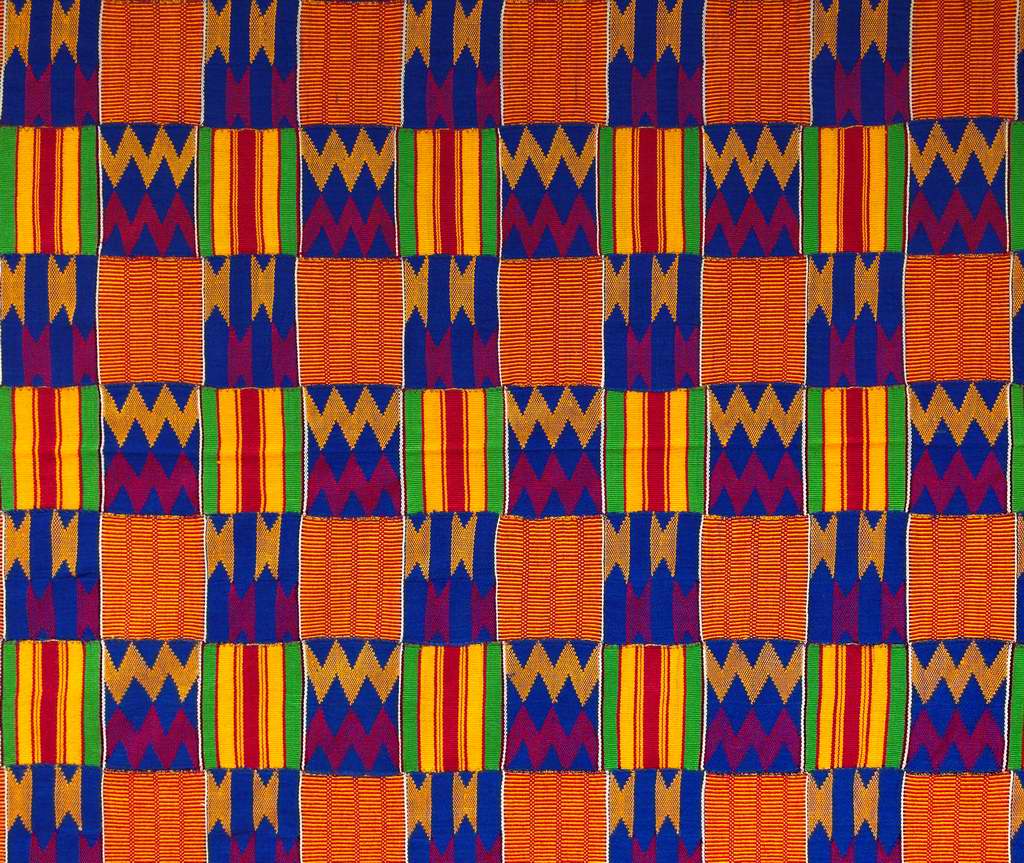
About Kente Cloth The Akwaaba Ensemble
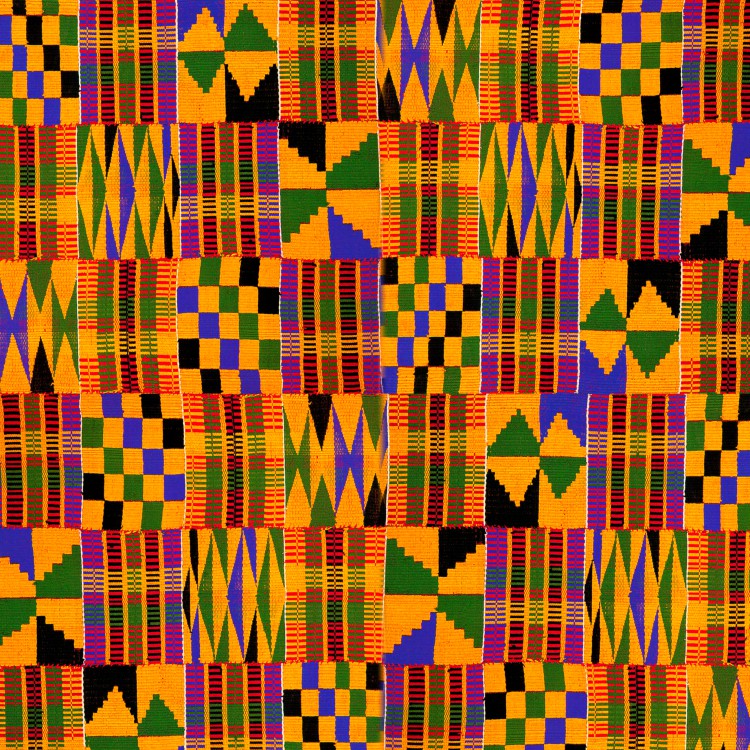
Kente Cloth Patterns Printable

Kente Cloth Patterns Printable

African kente cloth style seamless pattern Vector Image

Kente Cloth Strips Lesson Plan Multicultural Art and Craft Lessons for

301 Moved Permanently
Nyemfre, Nkyinkyim And Akuma Designs Are In Aburoo Ahaban Pattern), And Some Designs Are Named As Patterns (Example:
Before Becoming A Master Weaver, A Person Must Learn The Meanings Of All.
Kente Is Exported As One Of The Key Symbols Of African Heritage And Pride In African Ancestry Throughout The Diaspora.
It Is Thought That Kente Cloth Was Inspired By The Weaving Patterns Of A Spider As It Weaves It’S Web.
Related Post: