
Development Of Grasp Patterns
Development Of Grasp Patterns - The development of grasp patterns for graphomotor control in neurotypical development continues through age five to six. Web development of grasp patterns. These patterns evolve as a child develops their fine motor skills. Web grasp patterns refer to the way we hold and manipulate objects with our hands. Web there are three main categories of pencil grasp development: Web a cylindrical grasp and a spherical grasp are important parts of grasp pattern development, and are functional grasps needed for many daily tasks. 1.5k views 3 years ago. Web pencil grasp development progresses through a typical pattern in most cases. Web seven simple and actionable steps for children to develop a functional grasp pattern that don't involve a pencil grip! Here are names of pencil grasps and the ages that you will see each grasp. Here are names of pencil grasps and the ages that you will see each grasp. Here are some common types of grasp patterns: Web the presence and development of grasp patterns will significantly influence a child’s ability to interact with their environment. Overall grasp patterns are well developed by age 5 but strength, dexterity, and precision continue to develop. Web children progress through different grasp patterns as they gain more muscle control and strength in the muscles of the hand. Sometimes you will hear this called the fist grasp. Web what does typical grasp development look like? The development of grasp patterns for graphomotor control in neurotypical development continues through age five to six. Web what are grasp patterns? Web the purpose of this chapter is to provide an overview on development of grasping and object manipulation. Ulnar palmar grasp, palmar grasp, and radial palmar grasp. Palmar grasp (reflexive grasp) the palmar grasp is an early grasp pattern seen in infants. Sometimes you will hear this called the fist grasp. Web the presence and development of grasp patterns will significantly influence a child’s ability to interact with their environment. The palmer supinate pencil grasp. Web the first grasp pattern typically to develop around age 1 to 2 is the power, or fisted grasp. Web the purpose of this chapter is to provide an overview on development of grasping and object manipulation. Web the presence and development of grasp patterns will significantly influence a child’s ability to interact with their environment. Web grasp patterns refer. In simpler terms, it is the different movements. Here are names of pencil grasps and the ages that you will see each grasp. Web what does typical grasp development look like? Web what are grasp patterns? Here is how grasping evolves: 1.5k views 3 years ago. Web seven simple and actionable steps for children to develop a functional grasp pattern that don't involve a pencil grip! Web we will explore the types of grasp patterns (lateral key, hook, cylindrical, pincer, etc.) and offer activities to support development of each grasp pattern. Palmar grasp (reflexive grasp) the palmar grasp is an early. Web a cylindrical grasp and a spherical grasp are important parts of grasp pattern development, and are functional grasps needed for many daily tasks. In simpler terms, it is the different movements. Here is how grasping evolves: Web development of grasp patterns. These various types of grasp patterns are important to understand when using finger strength exercises to build grasp. Web grasp patterns refer to the different ways in which children typically hold objects or manipulate them using their hands. The primitive pencil grasp is the initial way children grab a pencil. These various types of grasp patterns are important to understand when using finger strength exercises to build grasp and pinch strength in fine motor tasks. There are different. These patterns are essentially to perform everyday activities, such as eating, playing with toys,. The primitive pencil grasp is the initial way children grab a pencil. Here is how grasping evolves: The development of grasp patterns for graphomotor control in neurotypical development continues through age five to six. These patterns evolve as a child develops their fine motor skills. Palmar grasp (reflexive grasp) the palmar grasp is an early grasp pattern seen in infants. Web what are grasp patterns? Ulnar palmar grasp, palmar grasp, and radial palmar grasp. Tool use among children typically begins in the preschool years with the introduction of crayons, pencils, markers, and other graphomotor tools. Children pick up habits for grasp patterns early on. These patterns are essentially to perform everyday activities, such as eating, playing with toys,. Web there are three main categories of pencil grasp development: The palmer supinate pencil grasp. Web the first grasp pattern typically to develop around age 1 to 2 is the power, or fisted grasp. There are different types of grasp patterns that develop as we grow. Web the presence and development of grasp patterns will significantly influence a child’s ability to interact with their environment. Web pencil grasp development progresses through a typical pattern in most cases. In this video, we discuss what developmental grasp patterns. Web grasp patterns refer to the different ways in which children typically hold objects or manipulate them using their hands.. Web the presence and development of grasp patterns will significantly influence a child’s ability to interact with their environment. These patterns evolve as a child develops their fine motor skills. Web the purpose of this chapter is to provide an overview on development of grasping and object manipulation. Web the first grasp pattern typically to develop around age 1 to 2 is the power, or fisted grasp. In this blog post, we’re covering everything you need to know about cylindrical grasp development and spherical grasp development. Tool use among children typically begins in the preschool years with the introduction of crayons, pencils, markers, and other graphomotor tools. Grasp patterns are coordinated movements that we do with our hands to facilitate contact of an object against the palm and partially flexed digits ( 1). The primitive pencil grasp is the initial way children grab a pencil. These grasp patterns are known as the palmar grasp, pincer grasp, lateral grasp, and the tripod grasp. Web grasp patterns refer to the different ways in which children typically hold objects or manipulate them using their hands. At this stage, toddlers are just getting used to holding on to a crayon, chalk, or marker and there is no precision in their drawings. Sometimes you will hear this called the fist grasp. Web use this list of the typical progression of grasping patterns that develop in the first year to give your child the most appropriate toys and activities for each stage. Web there are three main categories of pencil grasp development: There are different types of grasp patterns that develop as we grow and help improve fine motor skills. These patterns are essentially to perform everyday activities, such as eating, playing with toys,.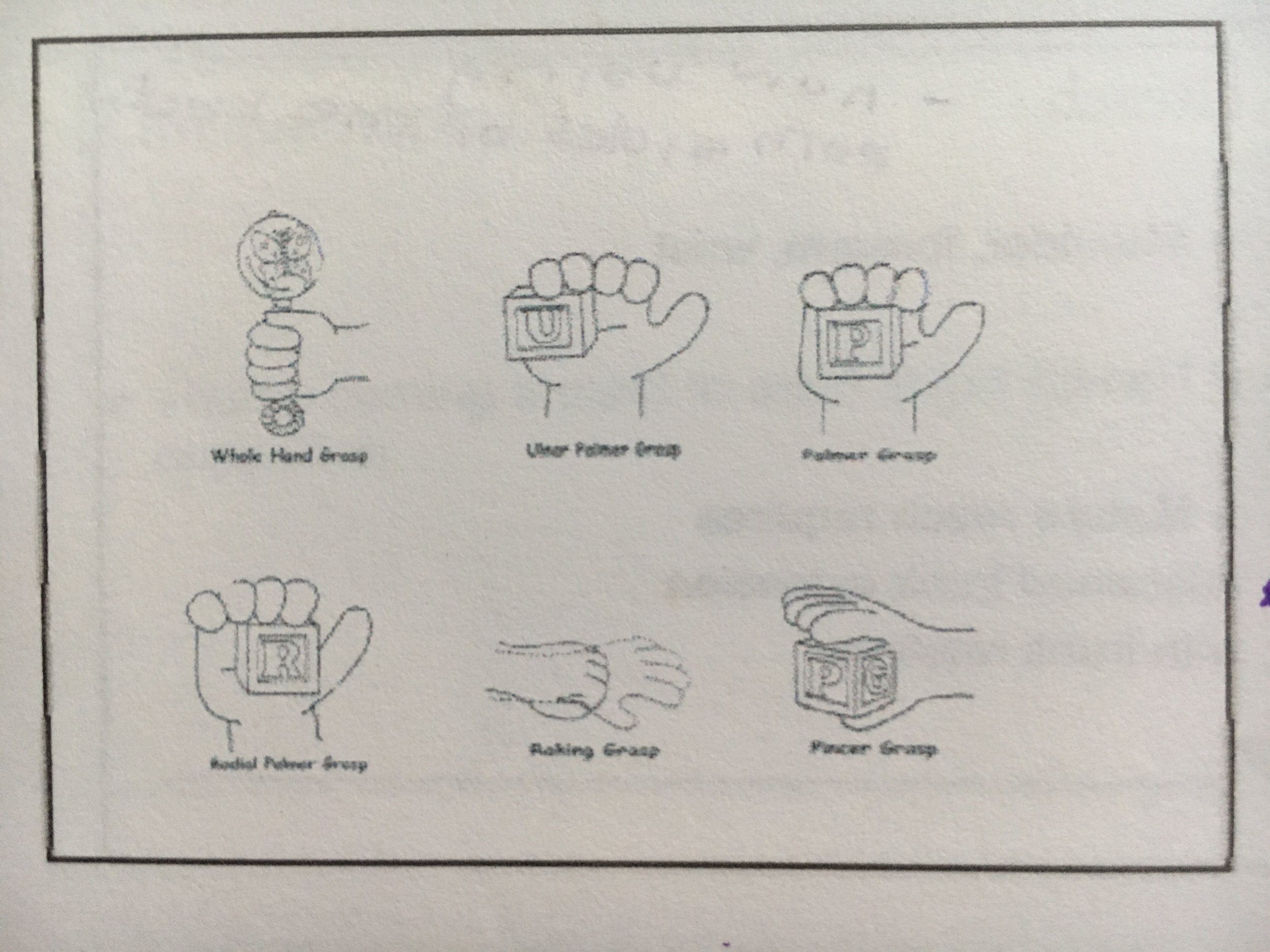
Developmental Grasp Patterns Chart Ponasa

Image result for grasp patterns Grasp, Fine motor, Pattern

Figure 1 from Pencil grasp and children's handwriting legibility during

Types Of Pencil Grasp Patterns

Development of Pencil Grasp How to Promote a Functional Grasp with 5

Types Of Hand Grasp Patterns

Development of pencil grasp Pre writing activities, Occupational
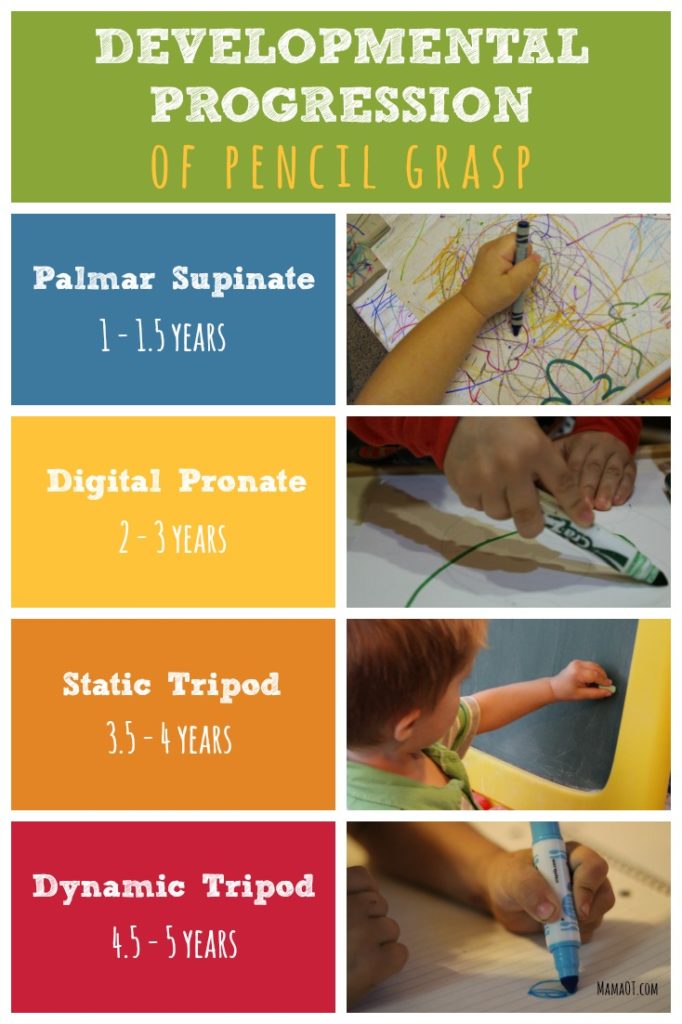
Developmental Progression of Pencil Grasp
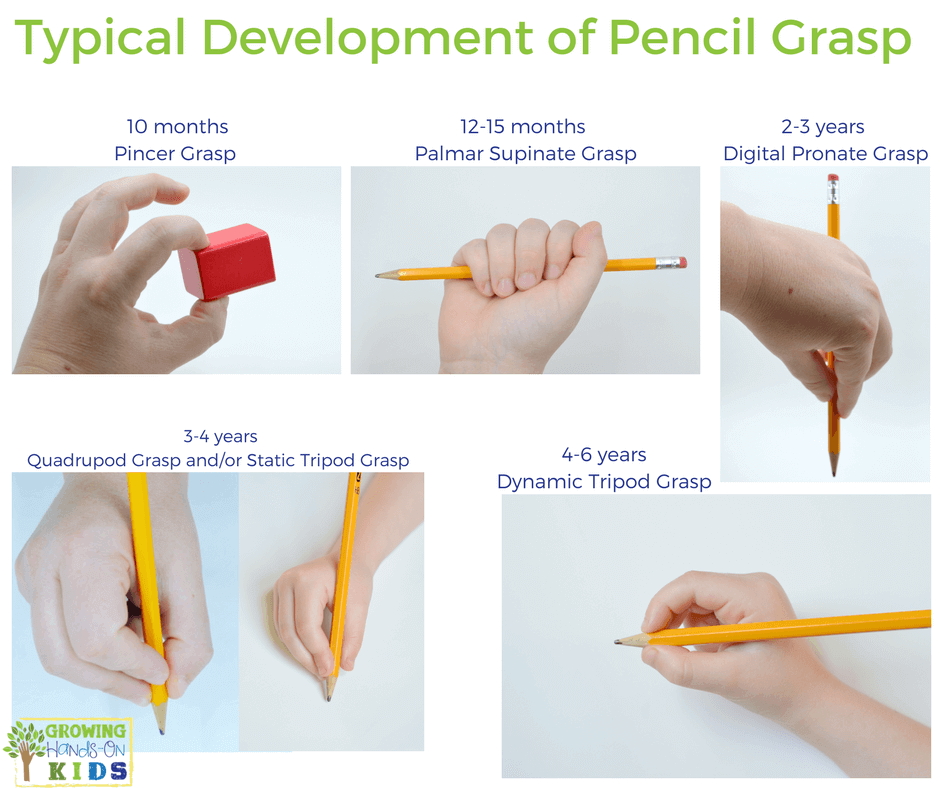
Typical Pencil Grasp Development for Kids

Development of Grasp Pediatric therapy, Development, Pediatric
Web Seven Simple And Actionable Steps For Children To Develop A Functional Grasp Pattern That Don't Involve A Pencil Grip!
In Simpler Terms, It Is The Different Movements.
Palmar Grasp (Reflexive Grasp) The Palmar Grasp Is An Early Grasp Pattern Seen In Infants.
These Various Types Of Grasp Patterns Are Important To Understand When Using Finger Strength Exercises To Build Grasp And Pinch Strength In Fine Motor Tasks.
Related Post: